
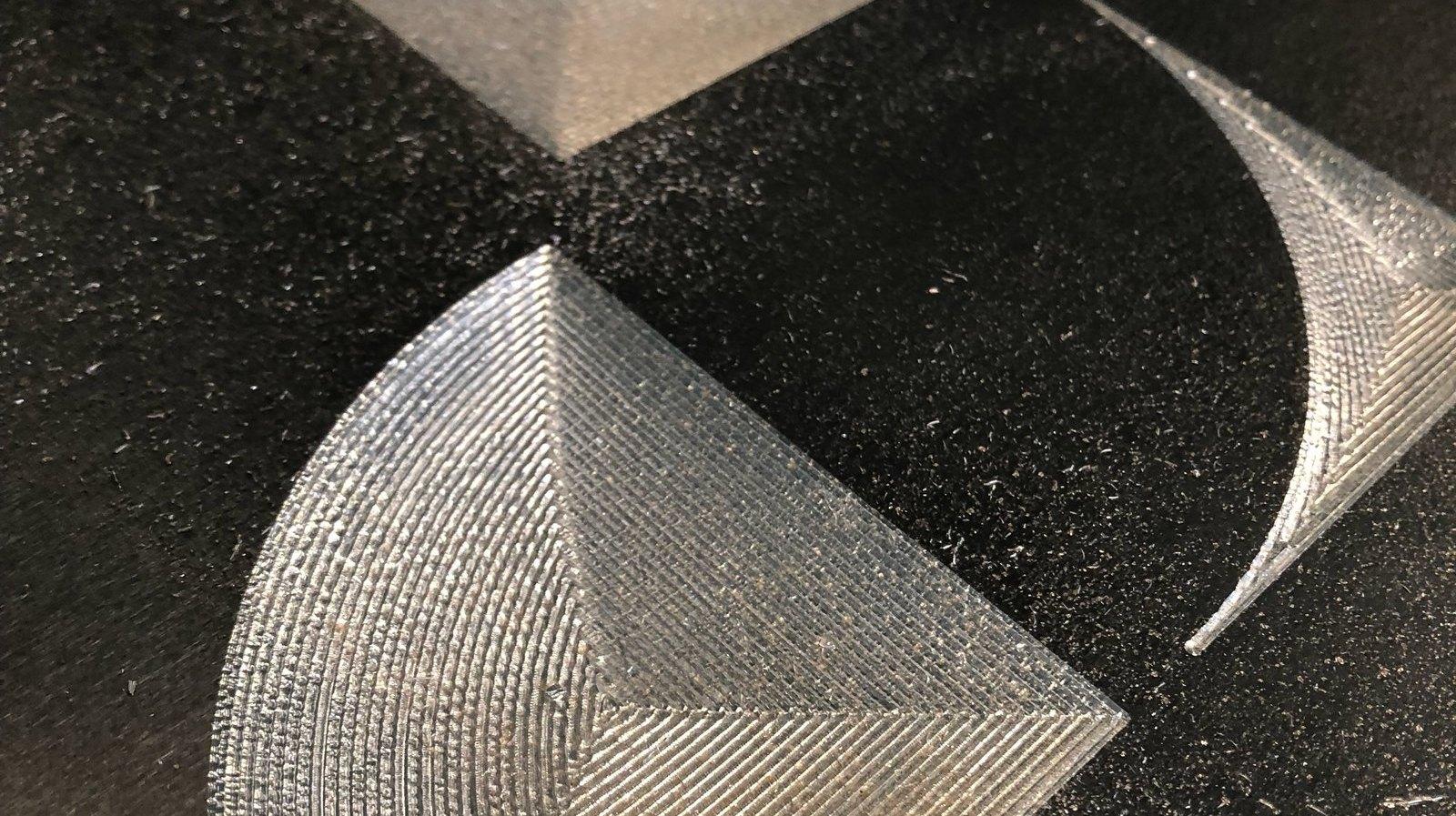
CNC cutting and carving
Cutting and carving, to the millimetre
CNC cutting, carving, engraving and profiling as a service, in fifteen materials, on sheets up to four metres long — from architecture and interior panels to prototype parts, supported by 3D printing in the same workshop.
What fits on the machine
- Largest sheet
- 2,058 × 4,100mm
- Thickest
- 140mm
- Smallest piece
- 30 × 30mm
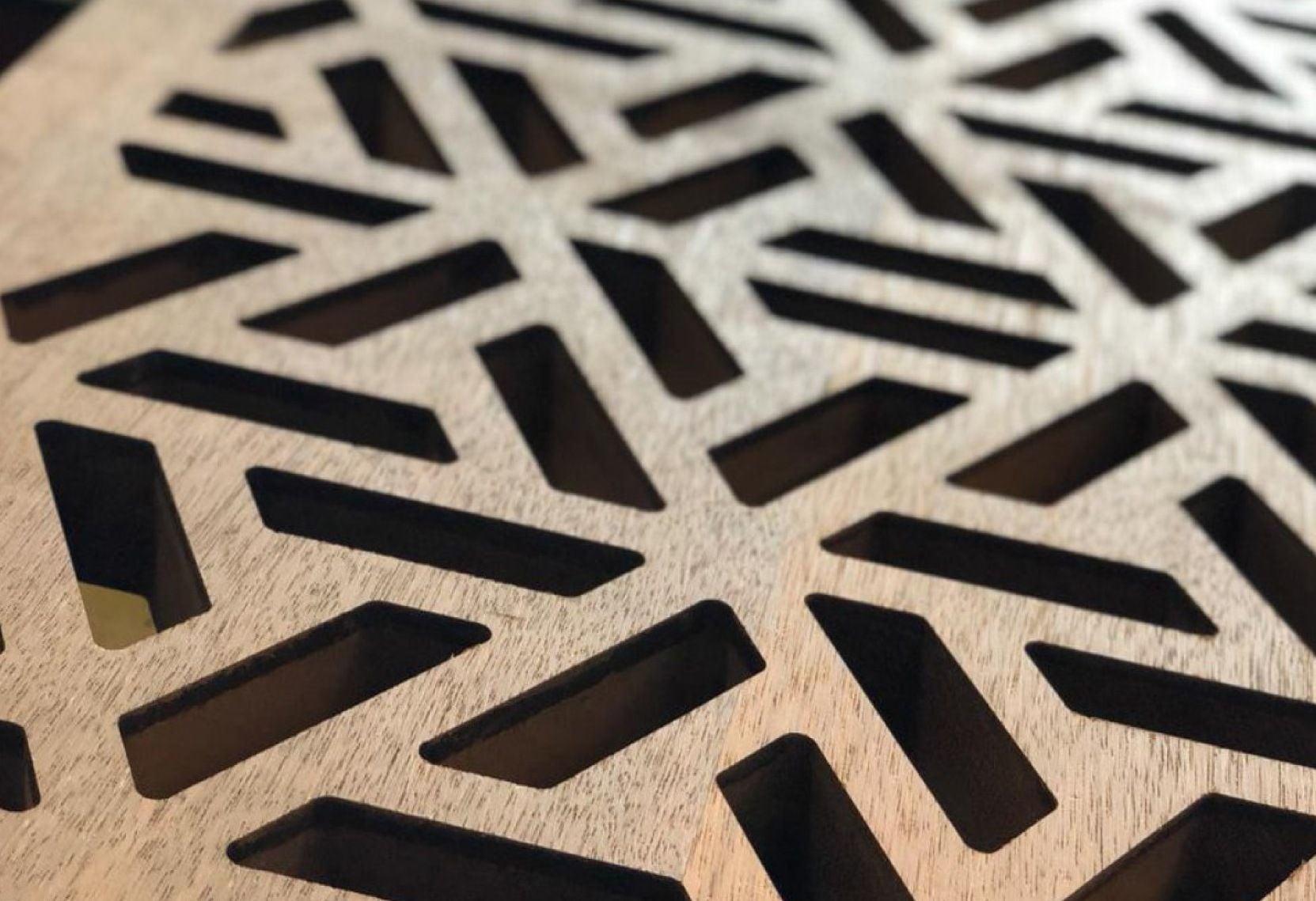
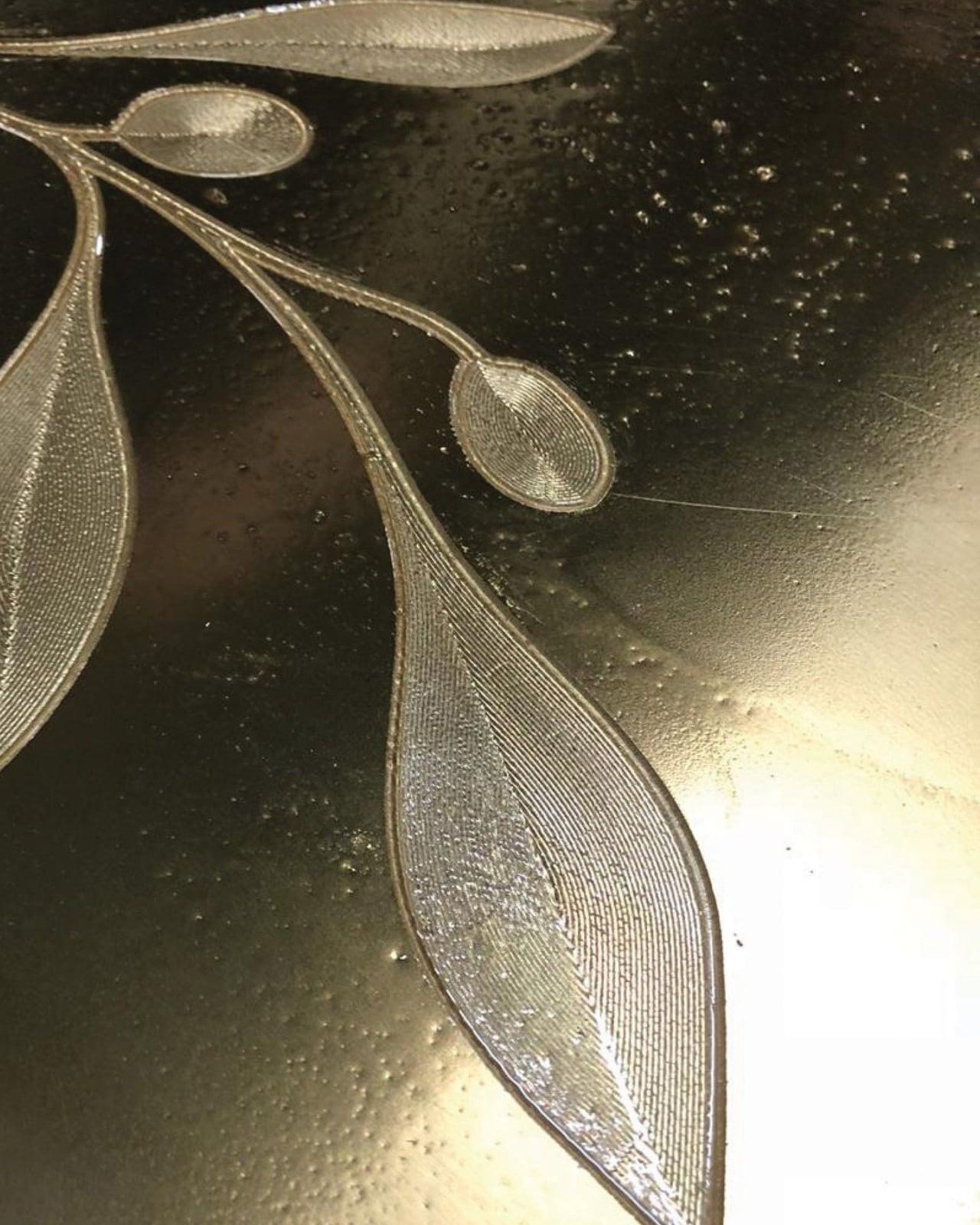
Materials
- Wood
- Veneered plywood
- MDF / HDF
- Melamine
- Laminate
- Solid surface
- Composite
- ACM
- Aluminium, brass & copper
- Aluminium foam core
- Foam core
- Plastic, acrylic & Plexiglas
- Sign foam, sign board & HDU
- Xanita X-board
- Carbon fibre
Method
From Drawing to Part
Six steps, and what each one needs from you.
01Vector artwork
Closed paths at full size, in millimetres, with cut lines separated from engrave lines. A raster image has to be redrawn, which costs a day and risks the pattern.
02Pattern review
We check for slivers, unsupported islands and porosity — a pattern that looks good on screen can leave a web too thin to hold itself once cut.
03Sample
A piece of the real pattern in the real material, at the real depth. Approved and signed before the run — this is the step worth insisting on.
04Nesting
Parts laid out across sheets to minimise waste, with grain or brush direction respected where the finish is directional.
05Cut and finish
Machined, deburred and edge-dressed, then coated or anodised in the same batch as the frames it will sit with, so the colour matches.
06Fixing
Delivered with its carrier frame and its fixing set out, so a screen is installed as an assembly rather than improvised against a wall.
The most common failure on cut screens is not the cutting. It is a pattern approved on a screen at the wrong scale.